A 1000 litre diesel bowser for sale is usually considered by businesses that need a practical way to transport fuel to machinery, vehicles or generators. The capacity is large enough to support regular field refuelling without moving into an unnecessarily bulky setup, making it relevant to farms, construction companies, plant-hire businesses, mines, municipalities and generator service teams.
Capacity alone, however, does not tell you whether a bowser is suitable for your operation. Tank construction, trailer ratings, pump performance, filtration, hose layout, towing conditions and legal responsibilities all affect how safely and efficiently the unit can be used. Buyers should assess the complete refuelling system rather than treating the bowser as a tank fitted to a trailer.
This guide explains what to check before requesting a quotation for a 1 000-litre diesel bowser in South Africa, including payload calculations, dispensing equipment, towing requirements and the differences between road-going and site-based units.
What is a 1000 litre diesel bowser?
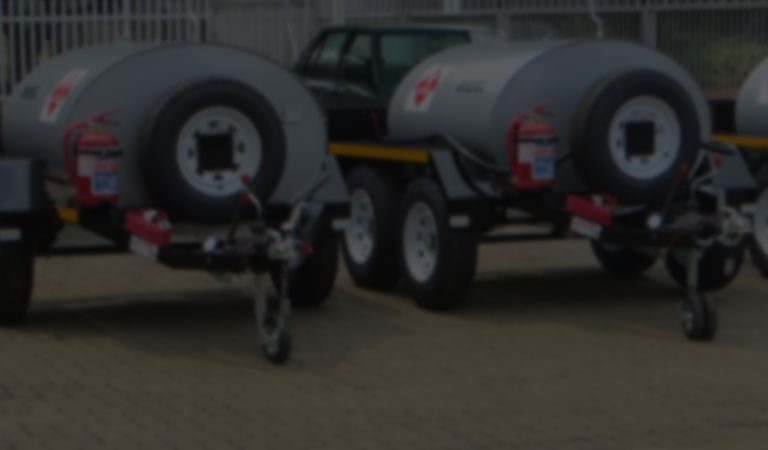
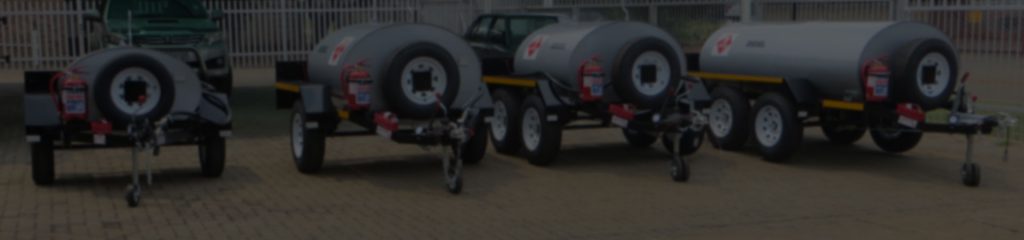
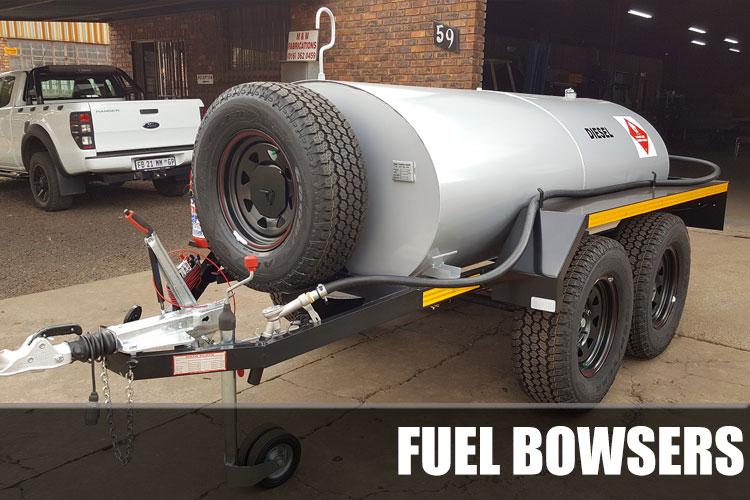
A 1 000-litre diesel bowser is a mobile tank and dispensing system designed to transport and transfer diesel. In a trailer-mounted configuration, the tank is installed on a chassis with an axle, drawbar, coupling, wheels and supporting equipment. Depending on the intended application, the bowser may include a pump, filter, hose, nozzle, flow meter, hose reel and lockable equipment enclosure.
The word “bowser” is sometimes used loosely. It may refer to a road-towed fuel trailer, an off-road site unit or a static tank that can be repositioned when empty. These are not automatically interchangeable. A site bowser intended to move slowly around private property may not have the braking, lighting, coupling or registration provisions required for public-road use.
Before comparing quotations, state clearly where the unit will operate:
- On public roads between depots and work sites
- On farms, mines or construction sites only
- Across rough ground at low speed
- As a mostly stationary supply for generators or plant
- For frequent mobile refuelling across several locations
M&M Fabrication manufactures diesel bowser and fuel trailer options for South African users. The intended operating environment should form part of the enquiry so that the trailer and dispensing arrangement can be specified accordingly.
Why businesses choose the 1 000-litre capacity
A 1 000-litre fuel trailer sits between small portable tanks and higher-capacity bulk delivery equipment. It can reduce repeated trips with drums or containers while remaining manageable for many commercial towing applications, subject to the actual trailer mass and tow-vehicle rating.
Typical uses include delivering diesel to tractors during harvesting, refuelling excavators and loaders on construction sites, supplying standby generators, supporting remote maintenance teams and keeping plant operating away from a fixed fuel point.
The right capacity depends on consumption rather than the desire to carry the largest possible volume. Estimate the daily diesel requirement of the equipment being supported, then consider how far the bowser must travel for replenishment. If machinery consumes 400 litres during a working shift, for example, a nominal 1 000-litre tank offers more operating flexibility than a smaller unit. The usable operating plan must still allow for safe filling practices and the manufacturer’s instructions.
Fuel turnover matters too. Diesel should not be kept unnecessarily long in poorly controlled conditions, where water ingress, dirt and microbial contamination can create maintenance problems. A bowser that matches normal consumption is often more useful than an oversized tank with slow stock rotation.
Calculate the real towing mass before buying
One litre of diesel does not weigh exactly one kilogram. Diesel density varies with product specification and temperature, but 1 000 litres will commonly account for roughly 830 to 850 kilograms of payload. The tank, chassis, axle, wheels, pump, hose, fittings and accessories must then be added to determine the loaded trailer mass.
This calculation is essential. A “1 000-litre trailer” describes liquid capacity, not the total mass that the towing vehicle must handle.
Ask the supplier for the relevant mass and rating information, including:
- The empty or tare mass of the complete bowser
- The rated gross vehicle mass or maximum permissible trailer mass
- Axle and tyre load ratings
- Coupling and drawbar ratings
- The expected mass when filled to the approved level
- Any restrictions related to road or off-road operation
The tow vehicle’s permissible towing capacity must be checked against its official documentation and the trailer configuration. Also consider the permitted tow-ball or drawbar load, braking requirements and the licence category required for the combination. A bakkie that can physically pull a loaded bowser is not necessarily legally rated or safely equipped to do so.
Real operating conditions deserve equal attention. Loose gravel, steep farm roads, wet construction sites and sudden braking can expose weaknesses that are not obvious on a flat yard. Select the vehicle and trailer combination for the most demanding route it will regularly encounter, not the easiest part of the journey.
Road-going, off-road and stationary bowsers are different products
Road-going diesel trailers
A bowser intended for public roads needs to be specified as a road-going unit from the start. The complete design may need suitable brakes, road lighting, reflectors, rated tyres, mudguards, a safety chain or breakaway arrangement, and a compatible coupling. Registration, roadworthiness and dangerous-goods obligations may also apply according to the configuration and operation.
Do not assume that fitting lights to a site trailer makes it road legal. The chassis, axle, braking system and other components must work together as a correctly rated trailer.
Off-road or site bowsers
Site bowsers are used on private property, farms, mines and construction areas. They may prioritise ground clearance, robust suspension, simple low-speed manoeuvring and protection for dispensing equipment. Off-road use can be severe even at low speed because of corrugations, potholes, side slopes and debris.
If a site bowser will occasionally cross or travel along a public road, discuss that requirement before manufacture. “Mostly off-road” does not remove public-road obligations for the road portion of the trip.
Stationary and repositionable tanks
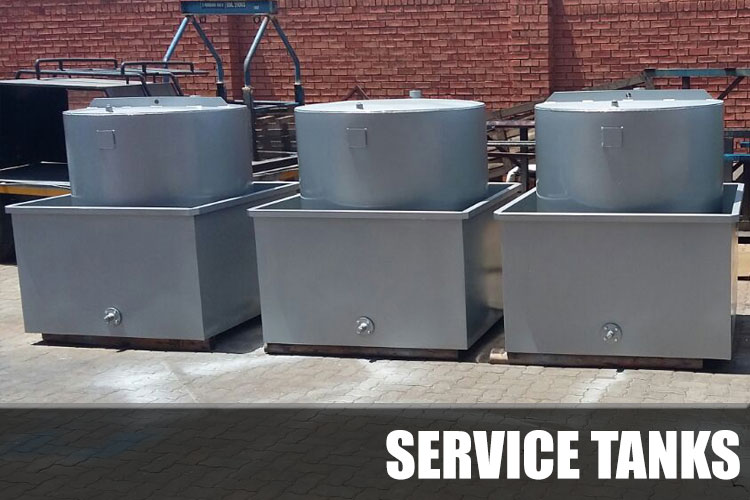
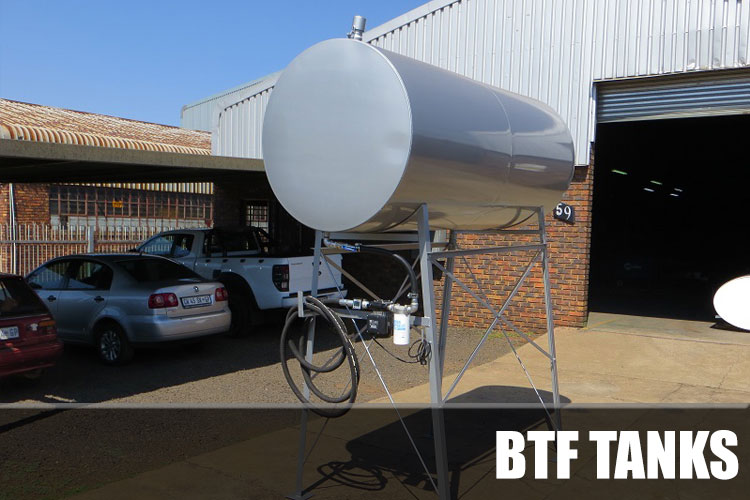
Some operations need diesel storage near generators or fixed plant rather than a trailer that travels daily. A stationary or repositionable tank may be more appropriate in these cases. M&M Fabrication’s BTF tank range and service tank options provide useful alternatives to consider where routine towing is not the main requirement.
Tank and chassis features to inspect
A diesel bowser works under changing loads. Fuel moves as the trailer accelerates, brakes and corners, while the chassis experiences vibration and twisting from the road surface. Sound construction and correctly rated components are therefore more valuable than cosmetic extras.
Review these areas when assessing a 1000 litre diesel bowser for sale:
- Tank material and construction: Ask what material is used, how the tank is supported and how the design suits diesel transport.
- Internal liquid control: Ask how fuel movement or surge is managed within the tank, particularly for a road-going trailer.
- Filler arrangement: The filling point should be accessible, protected and compatible with the operator’s normal filling process.
- Ventilation: The tank requires an appropriate venting arrangement for safe filling and dispensing. It should also limit dirt and water entry.
- Drain and low points: A practical arrangement for controlled maintenance can help with water and sediment management.
- Tank mounting: Mountings should support the tank without creating avoidable stress concentrations during use.
- Chassis protection: Discuss the finish and expected operating environment, especially for coastal, industrial or muddy conditions.
- Equipment enclosure: Pumps, meters and filters benefit from protection against impact, weather and unauthorised access.
- Stability while parked: A jockey wheel or support arrangement should suit the loaded drawbar and the surfaces where dispensing takes place.
Inspection and maintenance access should not be overlooked. A neatly enclosed pump installation may look attractive, but filters, hoses, valves and electrical connections must remain accessible for routine checks and servicing.
Choose the pump and dispensing system around the job
The pump determines how conveniently fuel reaches the machine. A high advertised flow rate is not enough on its own. Actual delivery can be affected by hose length, filter condition, electrical supply, vertical lift and restrictions in the plumbing.
Manual or powered pumping
A manual pump may suit occasional dispensing where simplicity is the priority. Powered pumps are generally more practical for frequent refuelling or larger transfers. Electrical pump options must be matched to the available power source and duty cycle. If a pump connects to a vehicle battery, the cable, fuse, connectors and operating procedure should be appropriate for the load.
Ask how long a normal refuelling event should take under realistic conditions rather than relying only on a nominal pump figure. A contractor filling several machines each morning will have different needs from a farmer topping up one tractor at the end of a shift.
Hose length and storage
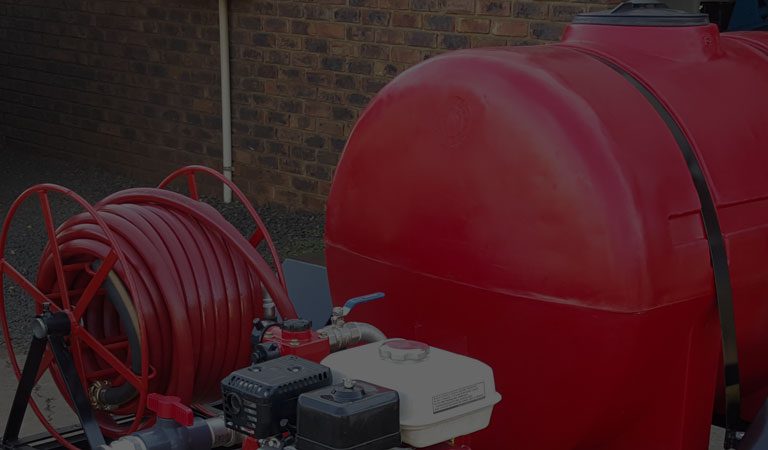
The hose needs to reach the equipment without placing the trailer in an unsafe position. Extra length is useful around large machinery, but it adds resistance, weight and storage requirements. A suitable hose reel or holder keeps the hose controlled and helps prevent damage from dragging, kinking or vehicle traffic.
Nozzle, meter and filtration
An automatic shut-off nozzle can improve control during routine refuelling when used correctly. A flow meter helps operators record fuel issued to different vehicles, teams or cost centres, although it must be selected and maintained for the accuracy level required by the business.
Filtration is particularly relevant where fuel is transferred in dusty environments. Ask what the filter is intended to remove and how often its element should be inspected or replaced. Water-separating capability may be worth considering where condensation or contaminated supply is a concern. A filter cannot compensate for poor fuel handling, an open filler or dirty storage practices.
Diesel quality and contamination control
Modern fuel systems can be sensitive to water and fine particles. Bowser management should protect the diesel from the point of filling to the machine’s tank.
Useful operating controls include keeping filler caps closed, cleaning around the filling point before opening it, inspecting hoses and nozzles, and storing the nozzle where it cannot collect dust or rainwater. Operators should investigate unexplained filter blockages, cloudy fuel, free water or unusual sediment rather than repeatedly replacing machine filters.
Do not use a diesel bowser for petrol, aviation fuel, water or chemicals unless the tank, pump, seals, hose and operating system have specifically been designed and approved for that product. Petrol has different vapour and ignition risks. Aviation fuel also demands dedicated contamination-control and product-specific equipment. Businesses requiring aviation refuelling equipment can review the separate Avgas trailer range.
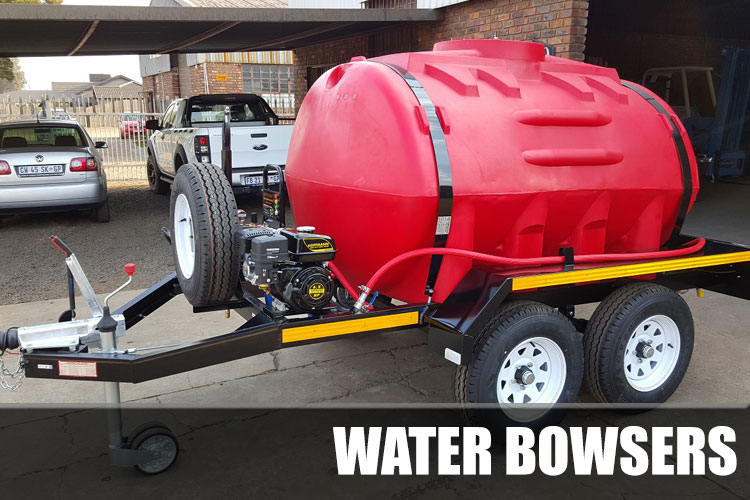
Likewise, a fuel tank should never be repurposed casually as a water tank. For dust suppression, livestock supply and general water transport, use a purpose-built water bowser trailer.
South African transport and site-safety considerations
Diesel is a flammable liquid transported under the dangerous-goods framework. The exact duties that apply depend on factors such as the quantity, vehicle and trailer configuration, route, nature of the business and how the fuel is packaged or contained. South African road traffic requirements may affect trailer registration, brakes, driver licensing, vehicle marking, documentation, operator duties and emergency equipment.
Because exemptions and thresholds can be technical, buyers should confirm the current requirements with a competent dangerous-goods adviser, the relevant licensing authority and their insurer before putting a loaded bowser on a public road. A supplier can provide product information, but the operator remains responsible for how the equipment is loaded, towed and used.
On site, establish a written refuelling process. It should address safe positioning, ignition control, spill response, communication with machine operators and what to do if a hose or fitting fails. Engines and other ignition sources should be managed according to the equipment manufacturer’s instructions and the site’s risk assessment.
Suitable fire and spill-response equipment should be selected for the fuel volume and working environment. Staff must know where it is and how to respond without placing themselves at unnecessary risk. If a project requires a dedicated mobile fire-response unit rather than fuel equipment, M&M Fabrication also provides information on fire fighting trailers.
Security and fuel accountability
A mobile diesel supply can attract theft or unauthorised use. Security should be considered during specification rather than added as an afterthought.
Possible controls include lockable pump enclosures, protected filler points, controlled key access and secure overnight parking. A meter or fuel-management process can record issues by date, vehicle, operator and quantity. Compare these records with fuel purchases and expected machine consumption to identify discrepancies early.
A flow meter is a management tool, not a complete security system. Clear responsibility for keys, issue records and stock checks usually has a greater effect than installing equipment without an operating procedure.
Questions to include in your quotation request
A detailed enquiry helps a manufacturer recommend a suitable configuration and makes competing quotations easier to compare. Include the following information:
- The required nominal capacity and typical fill quantity
- The fuel product to be carried
- Public-road, off-road or mixed operation
- The make and model of the intended tow vehicle
- Typical road surfaces, gradients and travel distances
- How often fuel will be dispensed
- The preferred power source for the pump
- Required hose reach and expected transfer speed
- Whether filtration, water separation or metering is needed
- Security, enclosure and access requirements
- Any site-specific safety or procurement documentation
- The delivery location, including whether it is in Gauteng or another South African province
Ask for a clear description of what is included. A low headline price may exclude the pump, meter, filter, hose reel, registration-related components or delivery. Comparing complete specifications is more reliable than comparing tank capacity and price alone.
Common buying mistakes
The first common mistake is selecting a bowser before checking the tow vehicle’s legal capacity. This can result in an unusable trailer or the additional cost of changing vehicles.
The second is buying an off-road unit and later expecting to tow it on public roads. Road-going requirements should be incorporated into the original specification.
Another mistake is focusing on pump speed while ignoring hose handling, filtration and electrical supply. A fast pump with an unsuitable cable or clogged filter will not deliver the expected performance.
Some buyers also overlook maintenance consumables. Confirm the availability and specification of filter elements, hoses, nozzles, seals and pump components. Operators should be able to identify replacement parts without guessing.
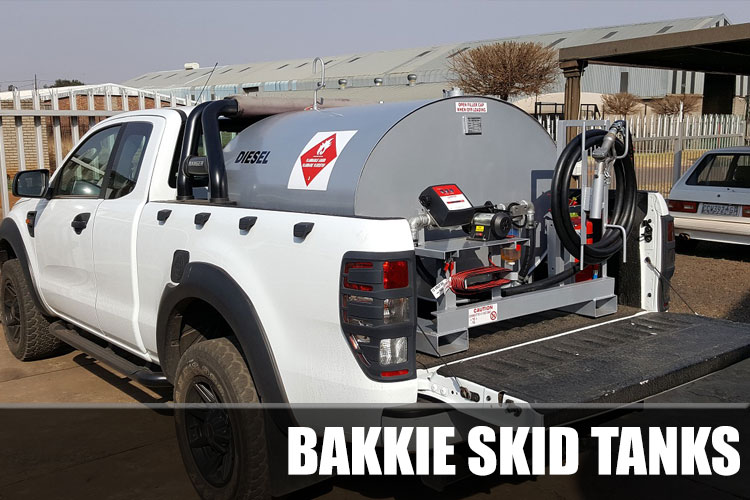
Finally, avoid treating every liquid tank as interchangeable. Diesel, petrol, Avgas and water require different equipment and controls. If mobility is needed but a trailer is not practical, a correctly specified bakkie skid tank may be worth assessing, subject to the vehicle’s payload, load securing and operating requirements.
Maintenance checks that protect the bowser and fuel
A simple inspection routine can reveal small defects before they cause a spill, breakdown or contaminated fuel delivery. The frequency should reflect usage, travel conditions and the component manufacturers’ instructions.
Before use, check the tyres, wheel condition, coupling, safety devices, lights and visible fasteners. Inspect the tank, valves, hose and fittings for damage or seepage. Make sure the nozzle is clean and the filler and equipment enclosure are secured before departure.
During scheduled maintenance, check wheel bearings, brakes, suspension components, electrical connections, pump performance and filter condition. Examine hose surfaces for cracking, abrasion, soft spots or damaged end fittings. Any structural damage, recurring leak or unusual movement should be assessed before the bowser returns to service.
Keep a maintenance record for the trailer and dispensing equipment. This is especially useful when several employees operate the unit or when it moves between projects.
Frequently asked questions about 1 000-litre diesel bowsers
How much does a full 1000 litre diesel bowser weigh?
The diesel alone will commonly weigh about 830 to 850 kilograms, depending on density and temperature. Add the complete empty mass of the tank, trailer, pump and accessories to calculate the loaded mass. Use the manufacturer’s stated ratings for towing and compliance decisions.
Can I tow a 1 000-litre fuel trailer with a bakkie?
Possibly, but it depends on the bakkie’s official braked or unbraked towing capacity, the bowser’s loaded mass, coupling load, trailer braking system and the driver’s licence. Check the exact vehicle and trailer documentation rather than relying on engine size or informal advice.
Does a diesel bowser need brakes?
Braking requirements depend on the trailer’s permissible mass and applicable South African road rules. A loaded 1 000-litre unit is substantially heavier than its diesel payload alone, so braking and road-use requirements must be confirmed during specification.
Can the same bowser carry diesel and petrol?
Do not switch products unless the complete system has been designed and approved for both fuels and an appropriate product-change procedure is in place. Petrol presents different vapour and ignition hazards, and pumps or electrical components suitable for diesel may not be suitable for petrol.
Should I choose a trailer or a bakkie-mounted tank?
A trailer preserves the load area of the bakkie and can be uncoupled at the site. A skid tank can be more compact and may be easier to position in some operations, but its filled mass counts against the vehicle’s payload. Compare legal mass limits, access conditions, security and how often the unit must be removed.
What affects the price of a 1000 litre diesel bowser?
Price is influenced by the chassis and axle specification, braking system, road-going equipment, tank construction, pump type, filtration, meter, hose length, hose reel, enclosure, finish and other selected accessories. Delivery and any registration-related work may also affect the total cost. Request an itemised specification so that you know exactly what the quotation covers.
Request a 1000 litre diesel bowser quotation from M&M Fabrication
A suitable bowser should match the fuel volume, towing vehicle, route, dispensing workload and safety requirements of your operation. Providing those details at the enquiry stage helps avoid an under-specified pump, an unsuitable trailer or unnecessary accessories.
M&M Fabrication manufactures fuel and water bowser trailers for South African applications. If you are assessing a 1000 litre diesel bowser for sale, send the team your towing, site and dispensing requirements. Request a detailed diesel bowser quotation from M&M Fabrication and discuss a configuration suited to your operation.